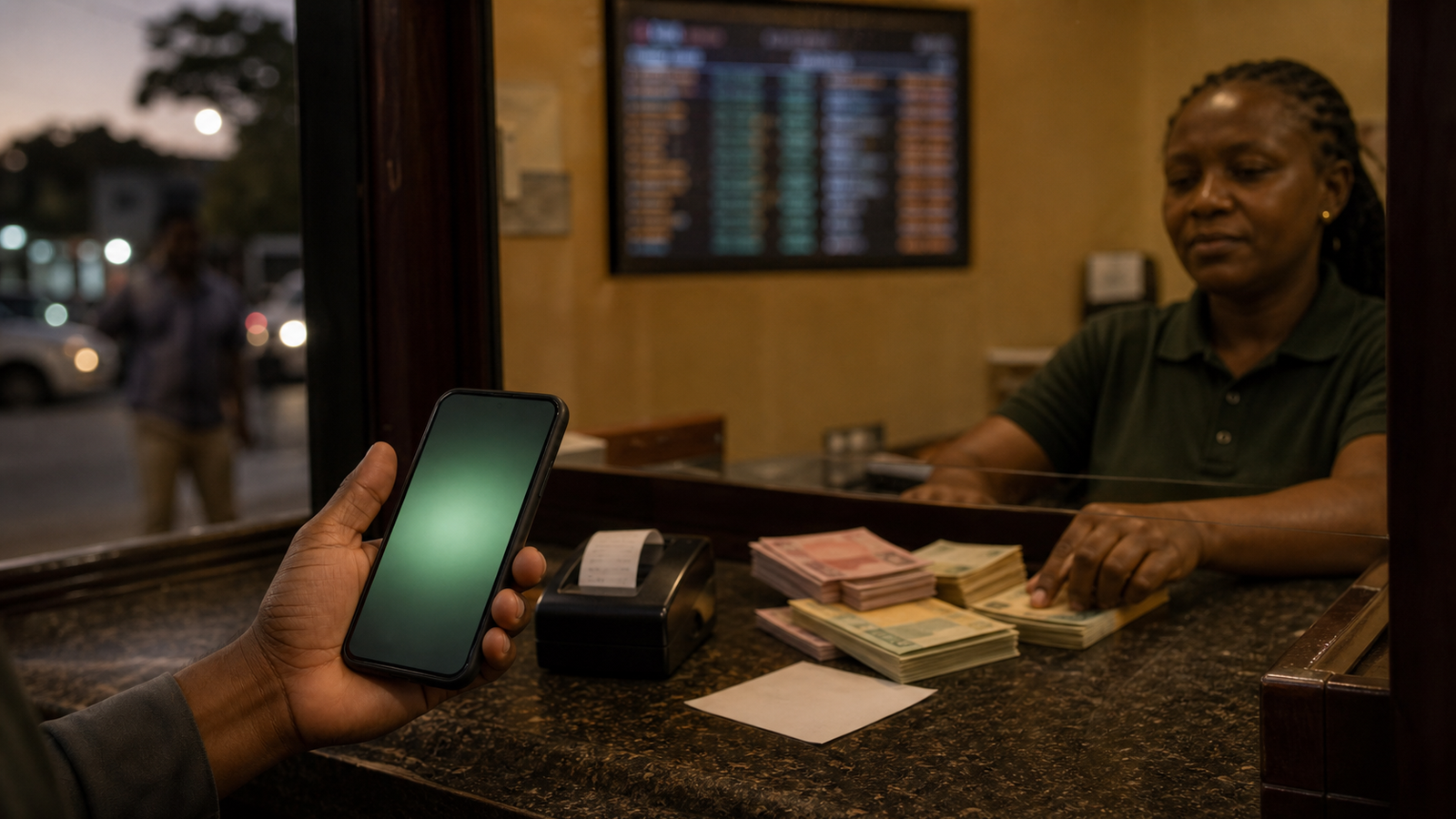
Stablecoins can cross a blockchain in seconds. The person receiving the money still has to turn the token into something a landlord, supplier, shop, or tax authority will accept. That conversion point is where the stablecoin story is becoming consequential.
In remarks published today, IMF First Deputy Managing Director Dan Katz focused on emerging markets, where cheaper transfers and easier access to foreign currency can carry greater benefits and greater risks. The IMF says stablecoin market capitalization nearly tripled between 2021 and 2025, then stayed around $300 billion over the past year. Nearly 99 percent of stablecoins are denominated in dollars.
Those figures show scale, though the activity beneath them remains difficult to read. The IMF speech cites a BIS estimate of $390 billion in payment-related stablecoin flows during 2025. The Financial Stability Board recently put stablecoins at less than 0.2 percent of all cross-border payments by some measures. An IMF working paper also notes that, in one cited dataset, fewer than 10 percent of blockchain-recorded stablecoin transactions reflected transfers between genuine users. Bots, arbitrage, exchange rebalancing, remittances, and trade can all appear in the same headline totals.
A fast rail can therefore look more mature than the service around it.
The practical cost sits at the edges. Users pay to acquire the stablecoin, convert it back into local currency, and absorb the exchange-rate spread between those steps. Katz said forthcoming IMF research suggests stablecoins can cost less than the current 6.5 percent global average for remittances. He also stressed that the advantage varies by corridor because on-ramp fees, off-ramp fees, and the local “stablecoin premium” can erase part of the saving.
That makes the cash-out counter a piece of financial infrastructure. Its liquidity determines the rate a family or business receives. Its records determine what supervisors can see. Its legal status determines who has recourse when a transfer freezes, arrives short, or reaches the wrong party. In markets with existing demand for dollars, the same interface can also widen access to foreign currency and change how quickly money moves during stress.
The policy pressure follows the interface. Traditional banks and payment companies create friction, but they also create reports, accountable counterparties, and points where capital-flow rules can be applied. Katz argued that stablecoin access may weaken those existing levers. His policy list reaches beyond issuers to exchanges, custodians, payment platforms, on-ramp providers, off-ramp providers, and on-chain exchange points.
This is the Hypernovelty pattern worth tracking: an interface becomes an institution before its public obligations are settled. The wallet may feel like a product. The conversion network beneath it is starting to carry functions associated with payment supervision, foreign-exchange access, consumer redress, and monetary control.
Verification bottleneck
Verification is becoming the scarce institutional function.
- What moved faster: Token issuance and settlement scaled faster than comparable data on genuine payments, all-in user costs, local liquidity, and failed transactions.
- Who has to verify: Treasury teams, payment providers, regulators, auditors, and users must check the operators at both ends of a corridor, including their jurisdiction, pricing, reserves, reporting, and redress process.
- What to watch next: Corridor-level reporting that separates payment activity from automated trading, along with rules that cover local exchange points rather than stopping at the issuer.
Opportunities
Where value may appear is in the unglamorous work around conversion. A builder could create a corridor-cost monitor that compares the amount sent with the amount actually available to the recipient after fees and exchange spreads. Compliance teams need auditable records that connect wallet activity to licensed access providers without relying on a single issuer’s dashboard. Small payment firms may need implementation checklists for liquidity stress, failed transfers, dispute handling, and local reporting.
Hybrid infrastructure is another practical lane. The FSB says stablecoins may find nearer-term use alongside bank money and existing foreign-exchange systems. Tools that reconcile the token leg with bank settlement, customer records, and regulatory reports could become more valuable than another wallet.
For operators, the maturity test is concrete: measure the full corridor cost, test conversion during volatile periods, identify the accountable party at each endpoint, and trace what happens when the transfer fails. Speed matters. The system becomes dependable when someone can verify the whole journey.
Sources
- IMF: “Stablecoins: Promise, Risks, and Policy Choices for Emerging Markets”, August 7, 2026.
- IMF Global Financial Stability Report, Chapter 2, April 14, 2026.
- Financial Stability Board: “Cross-border payments: towards the next chapter”, July 8, 2026.
- BIS Annual Economic Report: “Anchoring trust in money”, June 23, 2026.
- Federal Reserve staff note on payment stablecoins and cross-border payments, March 30, 2026.
- IMF Working Paper: “Stablecoins and the Future of Payments”, March 2026.