Daily Hypernovelty Lead · November 16, 2026
The Passport Oath Is Moving Onto the Screen
On November 16, the State Department opened a pilot that lets certain adults submit a DS-11 passport application online through America.gov. The application still requires proof of identity, proof of citizenship and an oath under penalty of perjury. What changes is where those steps happen: an applicant can verify identity through Login.gov, complete the form online and record the oath for later review by a passport agent.
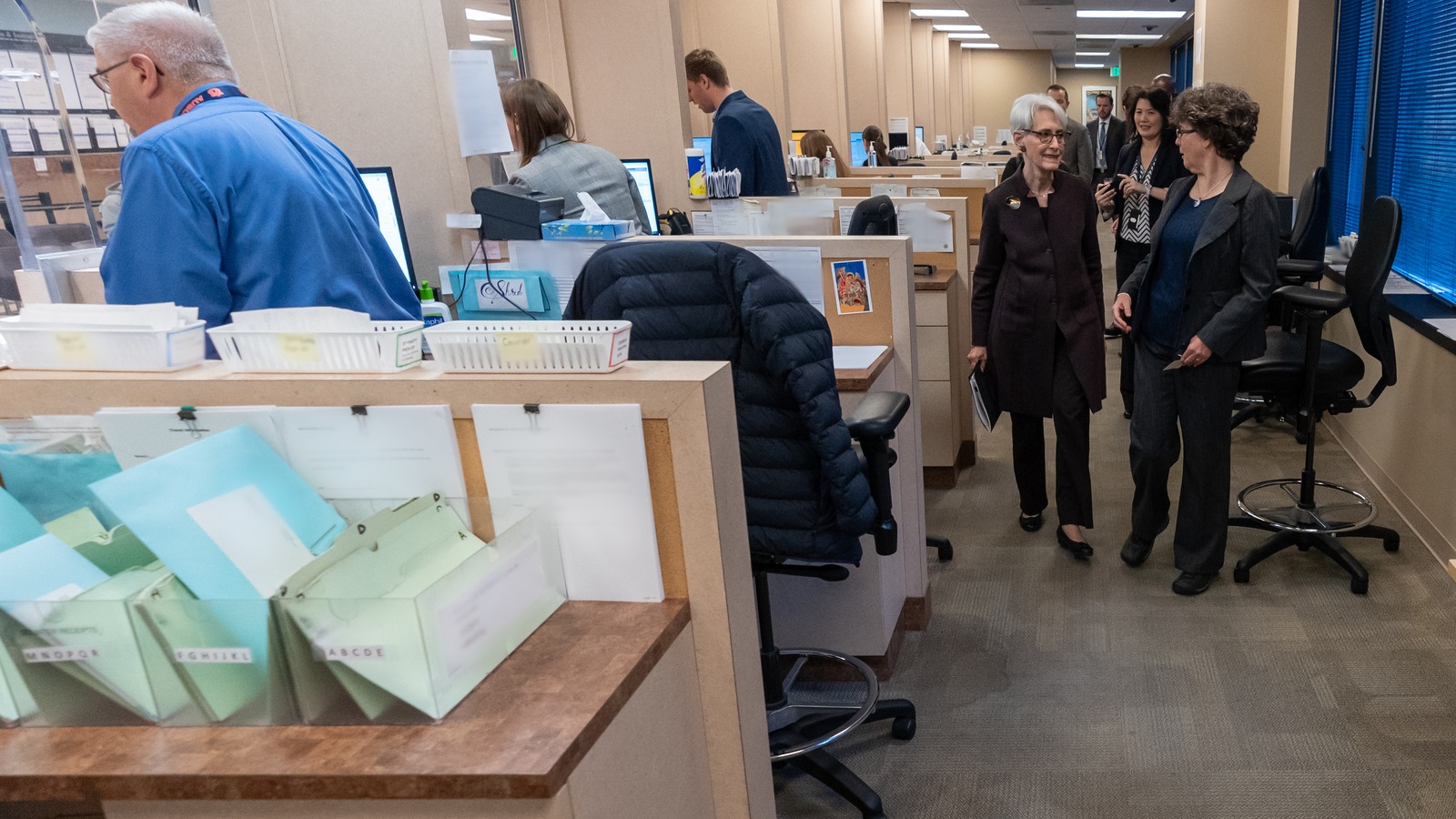
This is an early concrete transaction for the new America.gov service layer, attached to a process that handled nearly 14 million DS-11 applications last fiscal year. It moves a familiar government procedure from a shared physical encounter into a chain of digital handoffs. The test will show whether that chain saves people time without making errors, exclusions and recovery harder to see.
A passport appointment becomes a sequence
The pilot begins with a narrow group. Applicants must be at least 18, located in the United States and able to use an identification document accepted by Login.gov. The first phase includes adults who previously received a fully valid passport but cannot use the standard DS-82 renewal process, along with first-time adult applicants using a USCIS Certificate of Naturalization as citizenship evidence.
Applicants start on America.gov with an eligibility screen. Those who qualify move to Login.gov, where they provide identification, complete a liveness check, enter a Social Security number and confirm an address. The notice says the liveness step captures a live photo and uses tools including facial recognition to match the person to the identification provided. Login.gov then supplies basic biographical information to State. The applicant can correct imported information before completing the rest of the DS-11, uploading a photo, choosing a passport product and delivery method, and recording the oath.
A passport agent reviews the recording with the application. A passport authorizing officer then follows the same adjudication procedures used for paper DS-11 applications, including citizenship checks. Human judgment remains in the process, but the moments that once happened together are now distributed across several systems and times.
State says it may later expand the pilot to applicants using participating states' certified birth certificates, Certificates of Citizenship, Consular Reports of Birth Abroad and some applicants overseas. The pilot is scheduled to run through November 20, 2027.
Verification bottleneck
The online path creates several places where an eligible person can still fail to move forward: the eligibility screen, Login.gov identity verification, the liveness check, imported biographical data, evidence submission or review of the recorded oath. The notice acknowledges that technical limitations may keep otherwise eligible applicants out of the pilot and directs some cases back to paper.
That makes recovery part of the service, not an edge case. A useful pilot record should show how many people begin, finish, correct imported data, abandon the process or return to paper. It should also distinguish fraud caught from legitimate applicants rejected by identity or liveness checks. Accessibility failures, language barriers and unavailable identification can shape the result even when the final adjudication remains human.
State processed 13,913,231 DS-11 applications in fiscal year 2025 and estimates the existing process takes applicants an average of 85 minutes. The agency expects online submission to reduce that burden for some people, but says the amount of time saved is one of the facts the pilot must learn. The $35 execution fee remains because State will still review the full application, identity evidence and recorded oath.
Opportunities
The pilot could become a model for a public-service transaction receipt. An applicant should be able to see which system holds the application, what evidence was accepted, what needs correction, who will review the next step and how to return to a human-supported or paper route. That record would make a distributed process feel less like a maze.
Public reporting could use the same logic. Completion time matters, but so do abandonment, false rejection, correction, accessibility, suspected fraud and successful recovery. Reporting those outcomes by entry route would show whether convenience is broadly shared or concentrated among people who already pass digital identity checks easily.
America.gov was introduced as a front door for federal services. The passport pilot is an early test of what happens when that front door begins handling consequential transactions. The strongest result would be more than a form that works online. It would be a process that keeps its handoffs, decisions and recovery routes visible to the person whose identity is moving through it.