Daily Hypernovelty Lead · November 10, 2026
The Next Emergency Test Needs a Plan Before the Outbreak
The Food and Drug Administration issued final guidance Tuesday for validating certain diagnostic tests during a declared emergency involving an emerging pathogen. The document grew out of reviews of the agency's COVID-19 response, when test makers and regulators had to build evidence while the pathogen, available specimens, testing capacity, and public-health needs were all changing at once.
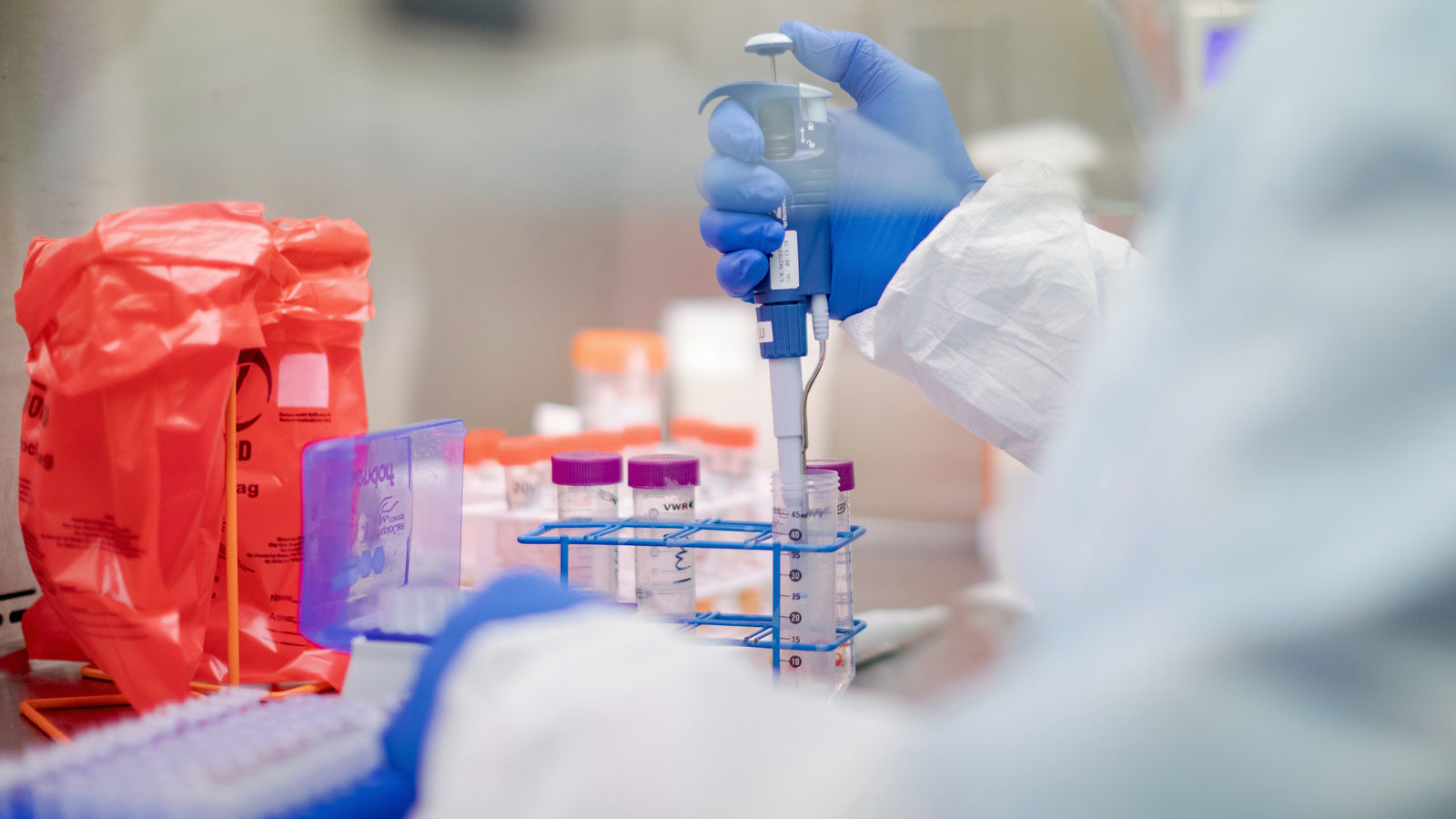
The guidance turns part of that experience into a reusable starting point. It covers clinical performance, analytical validation, usability, software, home collection and home testing, and point-of-care settings. An associated template gives manufacturers and FDA reviewers a common structure for pre-Emergency Use Authorization submissions and EUA requests. That structure can reduce reinvention when time and suitable specimens are already scarce.
Its limits are equally important. This is guidance, rather than a binding rule or an authorization for any test. It applies to certain in vitro diagnostic devices during an applicable declaration under Section 564 of the Federal Food, Drug, and Cosmetic Act. The recommendations can change with the test, its intended use, the setting, the stage of an outbreak, and the evidence available.
Within that boundary, flexibility matters most at the beginning. FDA says natural clinical specimens are preferred for evaluating performance, but they may be scarce when a new pathogen first appears. Archived specimens, contrived samples, or synthetic material can sometimes support initial validation. If a test is authorized on contrived samples, FDA says the authorization would likely require a later clinical performance evaluation using natural patient specimens once that becomes feasible.
The initial shortcut creates a recordkeeping obligation. An early test may begin with material designed to resemble the target in a real clinical matrix. Later evidence can test performance in the intended population, specimen type, setting, and hands of the people expected to use it.
The evidence record therefore has to mature with the outbreak. A result that was defensible under scarcity should not become a permanent substitute for the evidence that becomes possible later.
FDA includes a sharp example of why this matters. One anonymized COVID-19 test request arrived with 12 positive samples and perfect performance in that limited set. After FDA requested 12 more positive samples, cumulative positive percent agreement fell to 71%, and the request was withdrawn. The first result was real. It was also too small to carry the conclusion being asked of it.
Verification bottleneck
- The test can move faster than representative specimens. Early validation may need provisional materials, while reviewers must preserve exactly what was tested and what remains untested.
- The evidence can outlive its conditions. A performance claim needs the test version, specimen type, comparator, population, user, setting, and outbreak stage attached to it.
- The workflow continues after authorization. Later clinical evidence, design changes, software updates, labeling, and new variants can reopen the validation question.
The template helps by reducing reinvention. It gives manufacturers a known place to describe the test, studies, materials, software, and intended use, and gives reviewers a more consistent packet to examine. The template does not make the underlying evidence complete. A polished submission can still rest on the wrong specimen, a narrow sample, an unrealistic user, or an earlier version of the device.
Opportunities
A practical opportunity is an emergency-test evidence ledger built before the next outbreak. It could preserve each study's protocol, specimen source, comparator, test version, software version, operators, exclusions, results, and unresolved limitations. Every public performance claim could point back to the evidence state that supported it.
A second layer would manage evidence maturation. When natural specimens become available, a condition of authorization is triggered, a pathogen changes, or the device design moves, the system could open the required review rather than leaving the earlier result to drift forward. Manufacturers would gain a cleaner submission record, regulators a clearer change trail, and health systems a better view of which claims still match the test they are using.
The larger lesson is operational. Emergency speed depends on preparation done before the emergency: agreed evidence fields, reusable templates, versioned records, and a route for provisional findings to be replaced by stronger ones. The next outbreak will still create uncertainty. It does not have to recreate the paperwork, evidence map, and review logic from zero.