Daily Hypernovelty Lead · November 9, 2026
The Filing Is Becoming an AI Input
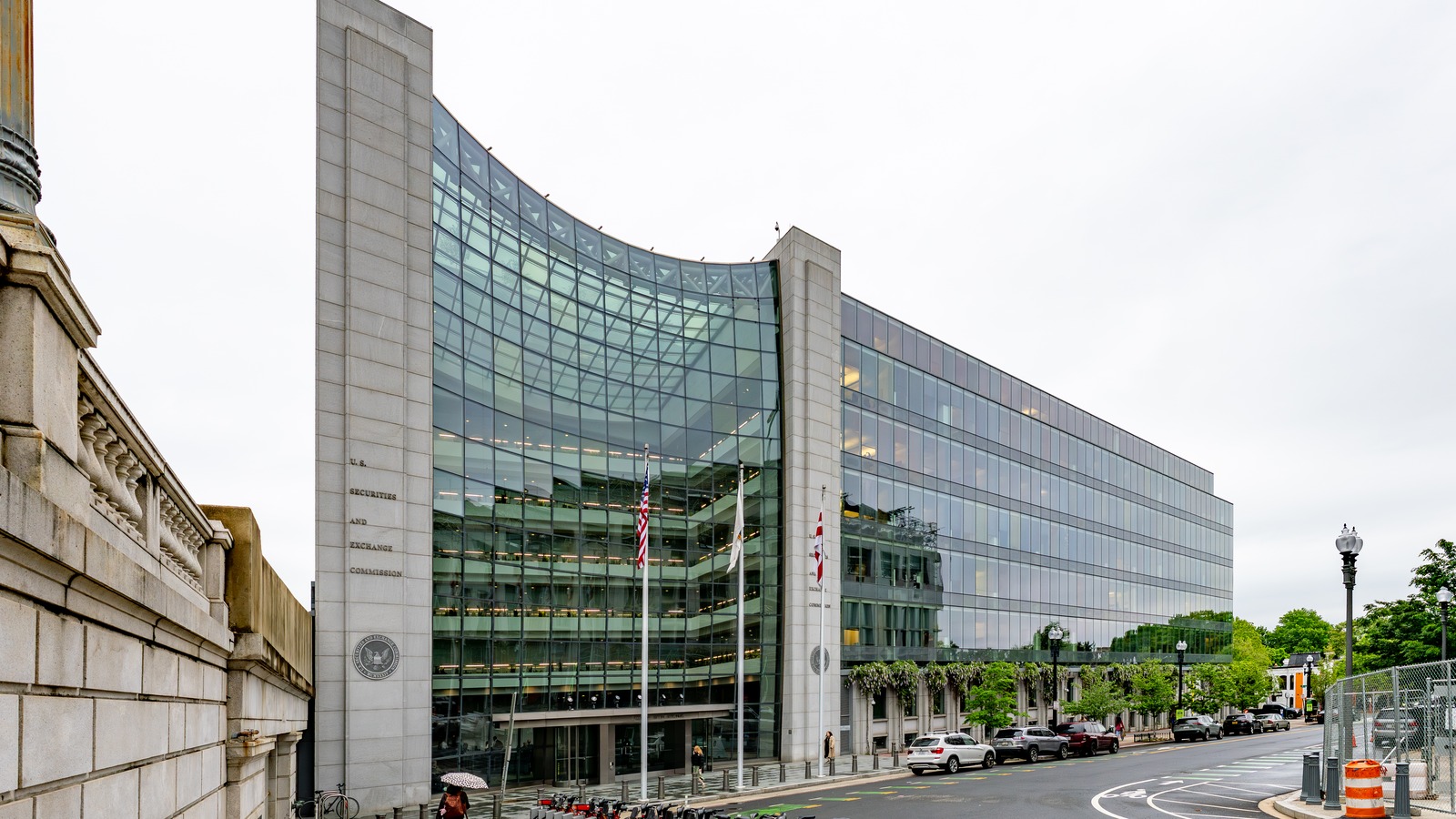
The Securities and Exchange Commission opened a public roundtable Monday on machine-understandable data and what it calls super intelligence. The agenda moves from a presentation on SEC datasets to two practical questions: how markets are using these systems, and what risks, costs, or changes the agency should consider.
The event is an inquiry, not a new rule. Its timing still matters. The SEC has spent years turning parts of public disclosure into structured data that software can search, compare, and analyze. Inline XBRL, for example, lets a filing carry a human-readable document and machine-readable facts in the same package.
That arrangement changes the role of a filing. It remains a legal disclosure for people to read. It is also becoming an input that software can pull apart, combine with other records, and place in front of an analyst or an automated system. The SEC's structured-data program already includes taxonomies, validation rules, data-quality assessments, and analytical tools. More capable AI increases the number of downstream uses without guaranteeing that every interpretation preserves the filing's meaning.
A tagged number rarely travels alone. Its meaning can depend on the entity, reporting period, unit, accounting concept, footnote, amendment, and relationship to other facts. Inline XBRL can preserve much of that context. A downstream system can still select the wrong period, flatten a company-specific definition, miss an amendment, or present a calculated result without enough provenance for a person to reconstruct it.
Verification bottleneck
The bottleneck is shifting from access to interpretation. Public filings are abundant, and structured data makes them easier to process at scale. The harder question is whether a machine-generated answer can show which filing, fact, unit, period, and definition produced it.
Submission validation helps, but it answers a narrower question. It can test whether a filing follows required structures and consistency rules. It cannot certify every later extraction, comparison, summary, or model-generated conclusion built from that filing.
Human review also needs a better target. Asking someone to reread an entire filing after every automated result defeats much of the benefit. Asking them to inspect a short evidence trail is more workable: the original fact, its context, the transformation applied, and the point where judgment entered.
This is where machine-readable disclosure becomes an accountability surface. A confident answer without a reconstructable trail may be fast, but it gives an investor, auditor, journalist, or regulator little help when the answer is wrong.
Opportunities
A useful near-term product is a filing-to-model test bench. It would send a set of known disclosures through an extraction or AI system, then compare the output with the human-readable filing. The test would look for period drift, unit errors, missing amendments, unsupported calculations, and summaries that lose a material qualification.
A second opportunity is a compact evidence card attached to every automated financial answer. It could show the filing date, accession or document reference, tagged fact, unit, period, relevant footnote, transformation, and last verification. The point is not to make every reader inspect raw XBRL. It is to make inspection possible when the result carries consequence.
The SEC roundtable does not settle which standards or safeguards will follow. It does show that machine-understandable disclosure and advanced AI now belong in the same policy conversation. The next useful signal will be whether the agency turns that conversation into specific work on data quality, provenance, validation, or access.